
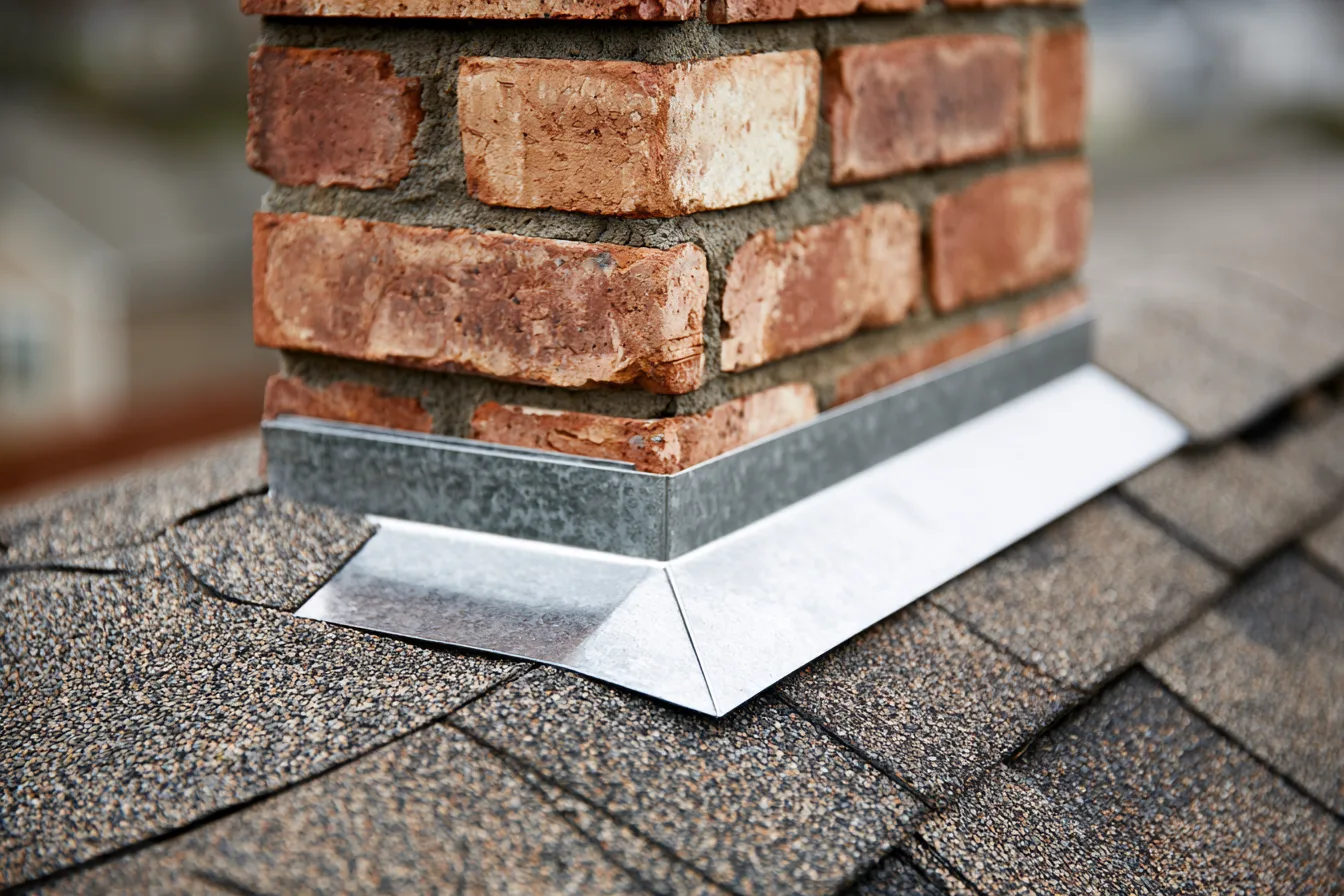
Walls and chimneys
Step and counterflashing details turn water from a vertical surface back onto the roof. A missing or reversed lap can leave an entry behind the covering.
Roeland Park, KS
A roof sheds water through connected layers and details. The visible shingles matter, but a sound new surface needs the base and joints beneath it to work too.
Free roof inspections. Repair and replacement options explained.
This guide makes replacement and repair scope easier to understand. It explains what the layers and joints do, why a visible covering cannot repair every hidden failure and where an inspection helps establish the actual work.
Each part has a physical job rather than serving as an optional label on a proposal.
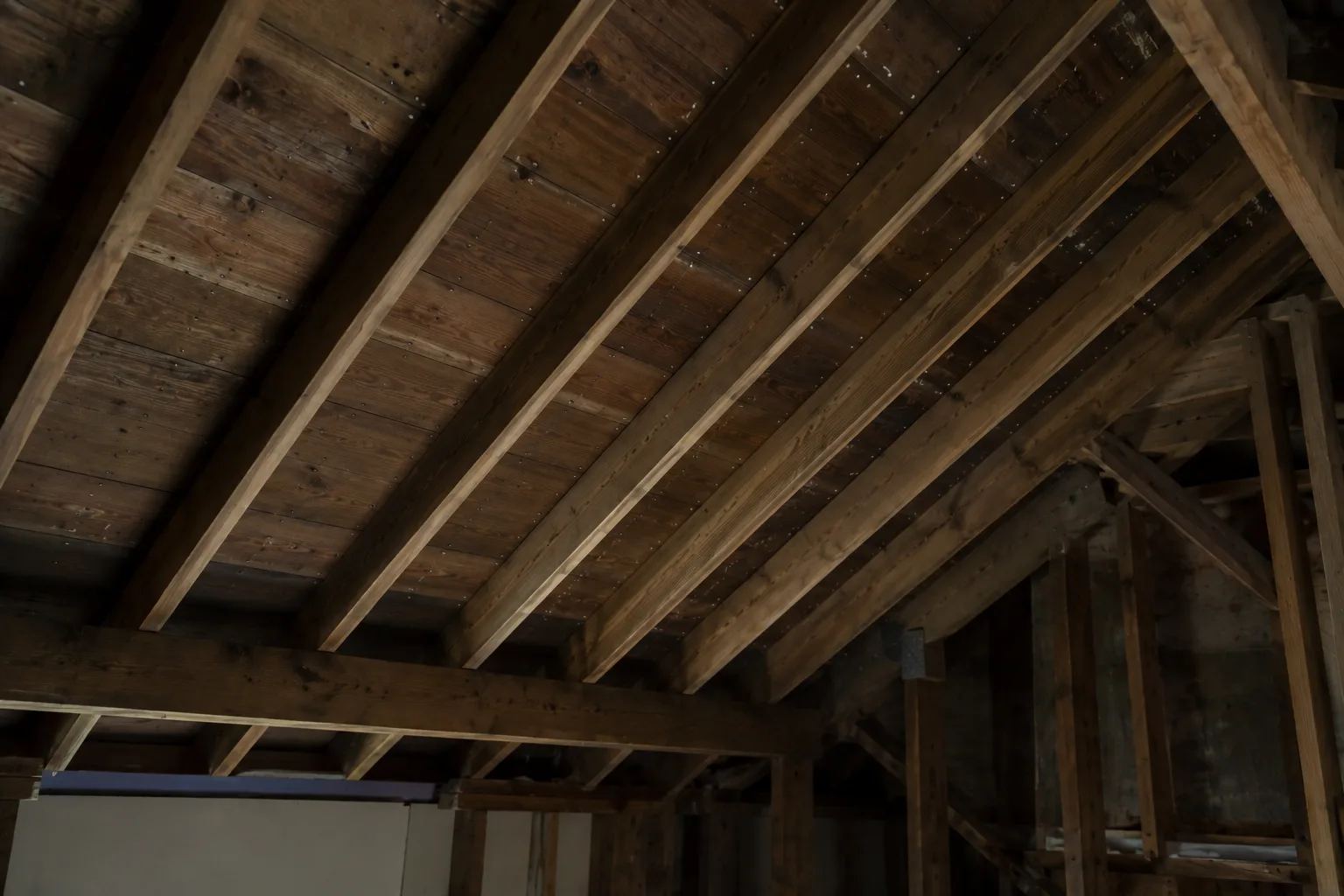
Wood decking supports the roof and its fasteners. Wet or weakened areas need attention before they become the base for new roofing. Some damage is not clear until tear-off exposes it.
Underlayment adds secondary protection beneath the covering. Ice-water protection is used at specified vulnerable areas under the applicable system and local requirements. Correct laps keep water moving over layers rather than behind them.
Courses overlap down the slope. Starter pieces, hips and ridge caps finish edges and high points using compatible material and fastening. The roof needs appropriate slope and installation details.
Water needs a continuous downhill path across changes in the roof.
Step and counterflashing details turn water from a vertical surface back onto the roof. A missing or reversed lap can leave an entry behind the covering.
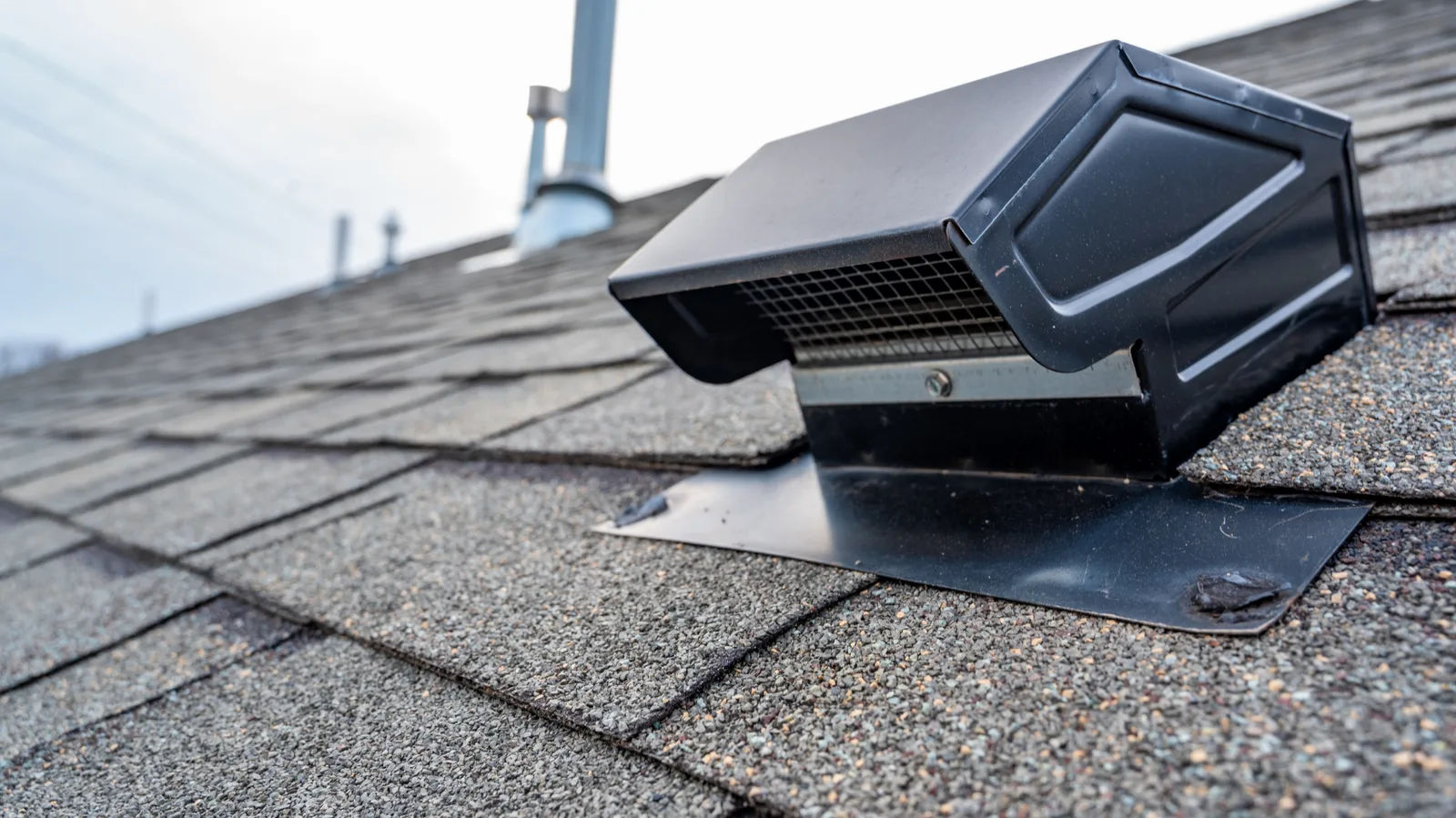
Boots connect roof covering to penetrations. The collar, base and adjoining shingles need to work together; replacing one visible piece does not settle every leak.
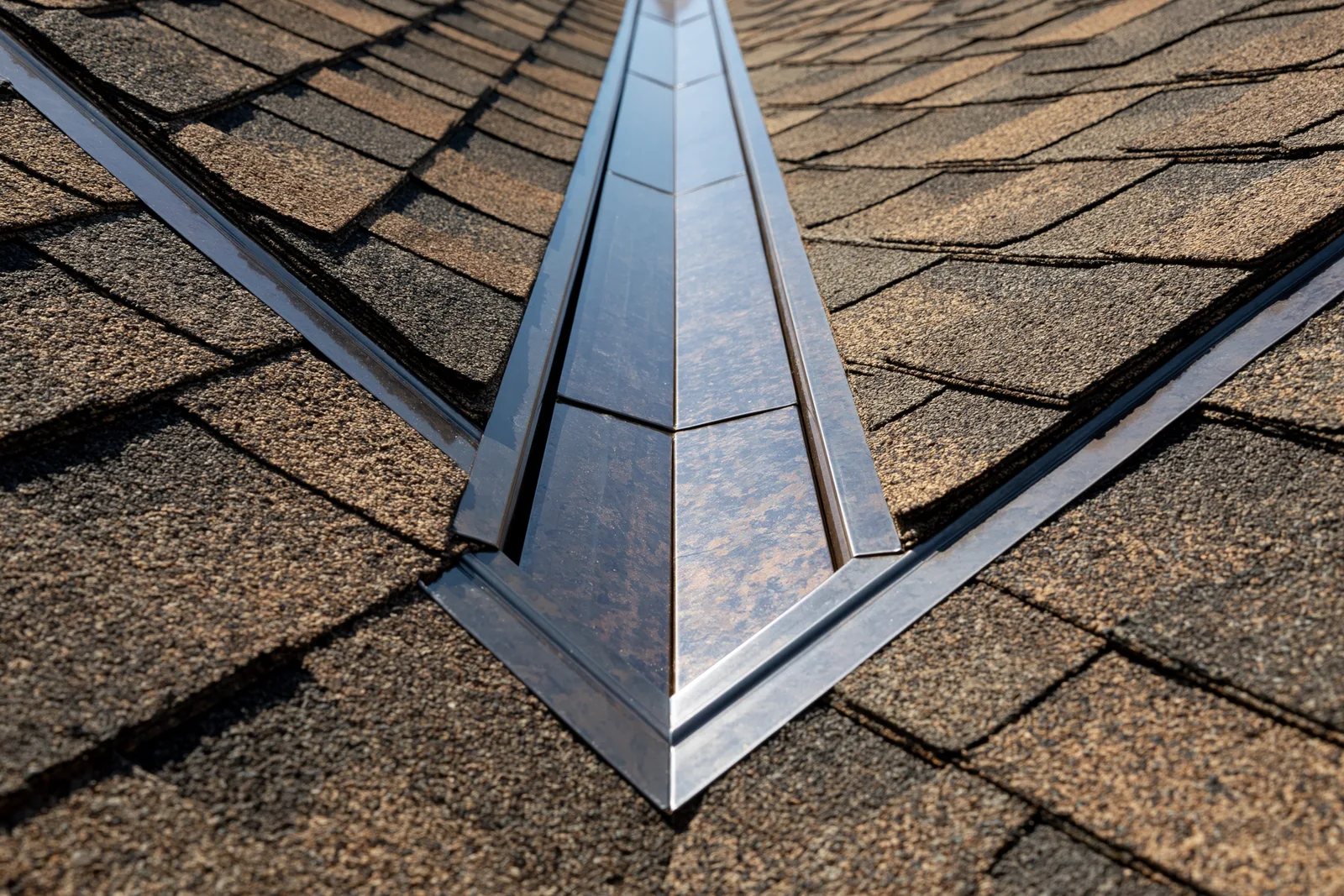
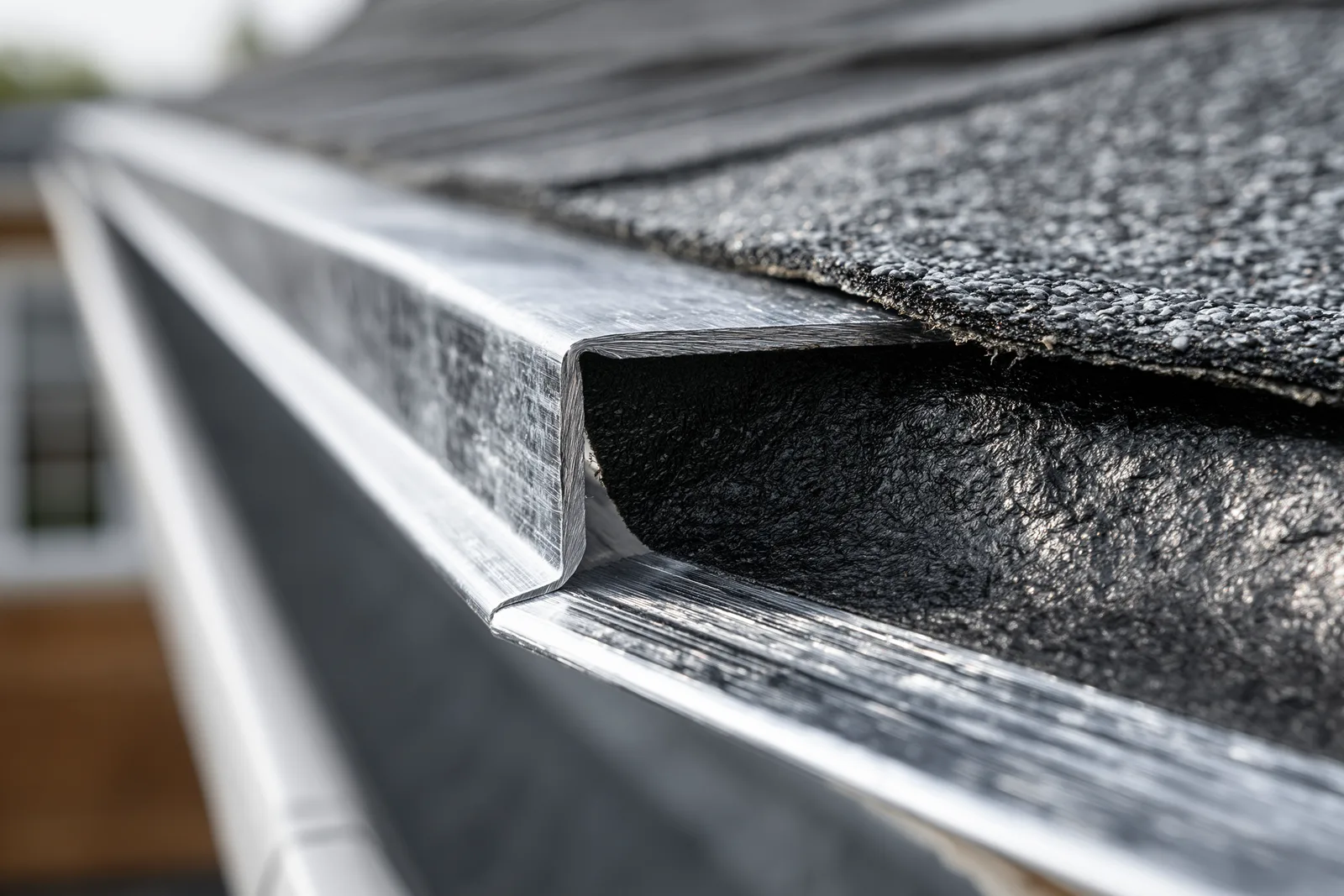
Valleys carry runoff from two slopes. Edge details guide it beyond the deck and toward the gutter where one is present.
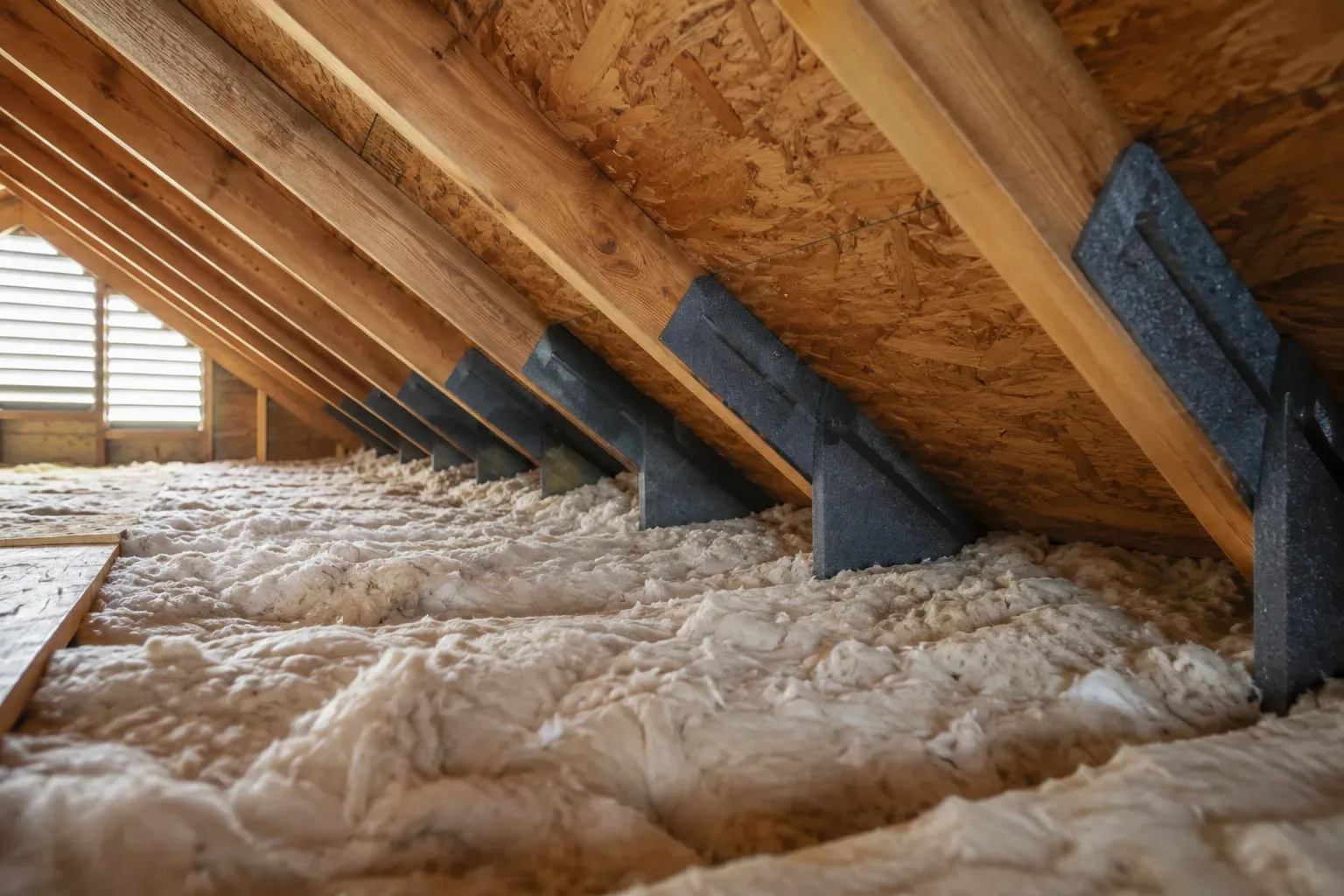
An exhaust vent is only part of the airflow path. Suitable intake and unobstructed channels allow air to reach the exhaust arrangement. The roof’s shape and assembly affect the design. Adding more vents without considering that path does not automatically resolve a moisture problem. When replacement is planned, ventilation can be discussed with the rest of the assembly.
Roeland Park Roofing Co
Tell us where the property is and what needs attention. Call (913) 270-1748 or request a free inspection. We can start with what you have noticed and work through the options from there.
(913) 270-1748