A roof replacement is a chance to address the covering and the layers that support it. We explain the planned assembly, the material choices and what hidden damage could change.
Free roof inspections. Repair and replacement options explained.
A roof does not need replacement simply because the house is old. Widespread brittle covering, deterioration across a slope or repairs that cannot join sound material can make replacement more useful than another patch. We compare the condition, the work needed to reconnect a repair and the wider assembly before discussing the scope. A free roof inspection starts that decision.
Old covering comes off so the base and connections can be addressed together.
01Removal and deck condition
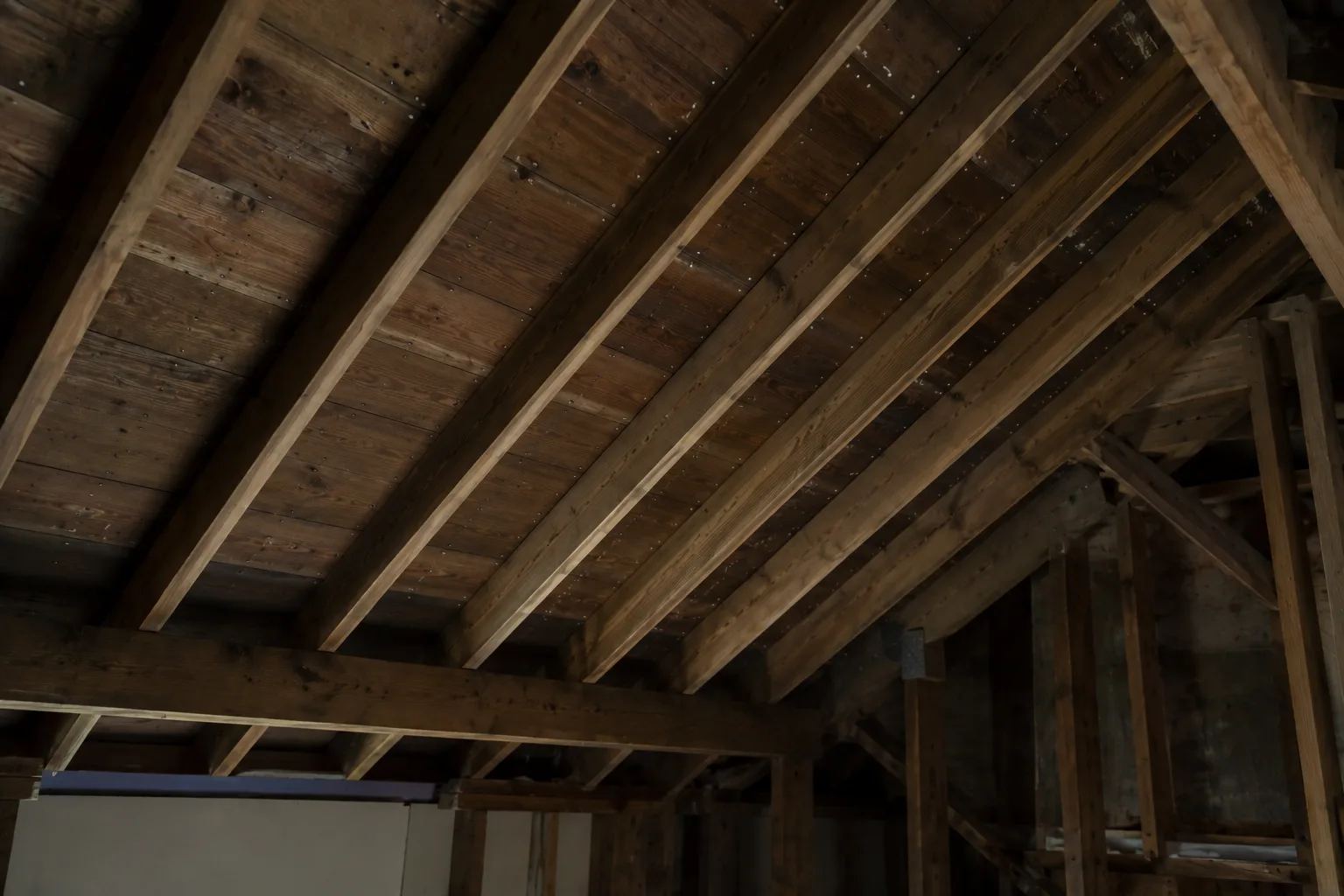
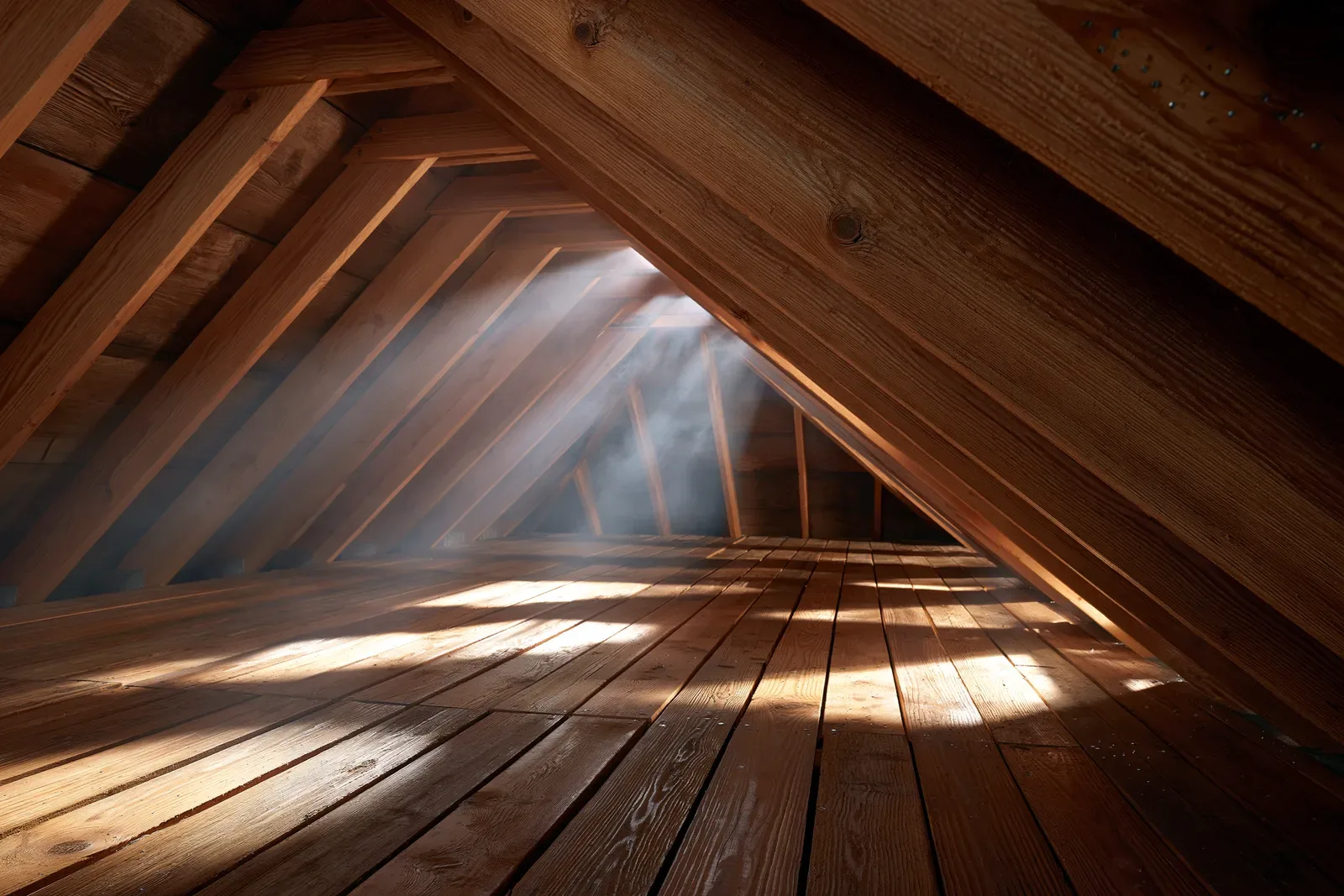
Tear-off exposes the decking. Sound wood provides a fastening base; weakened or damaged areas need repair before new roofing covers them. Existing layers and disposal are part of the removal scope.
02Underlayment and water protection
The new assembly includes appropriate underlayment, edge protection and properly lapped flashing at changes of plane and penetrations. Leaving failed flashing beneath new shingles carries an old leak path into the new roof.
03Covering, ventilation and finishing
Starter courses, the selected covering and ridge or hip details form one compatible system. Intake and exhaust ventilation have to suit the roof arrangement. Product instructions and the applicable code guide the details.
Roof Replacement Material Choices
The covering has to suit the slope and existing structure, as well as the way the property looks.
Architectural and three-tab asphalt
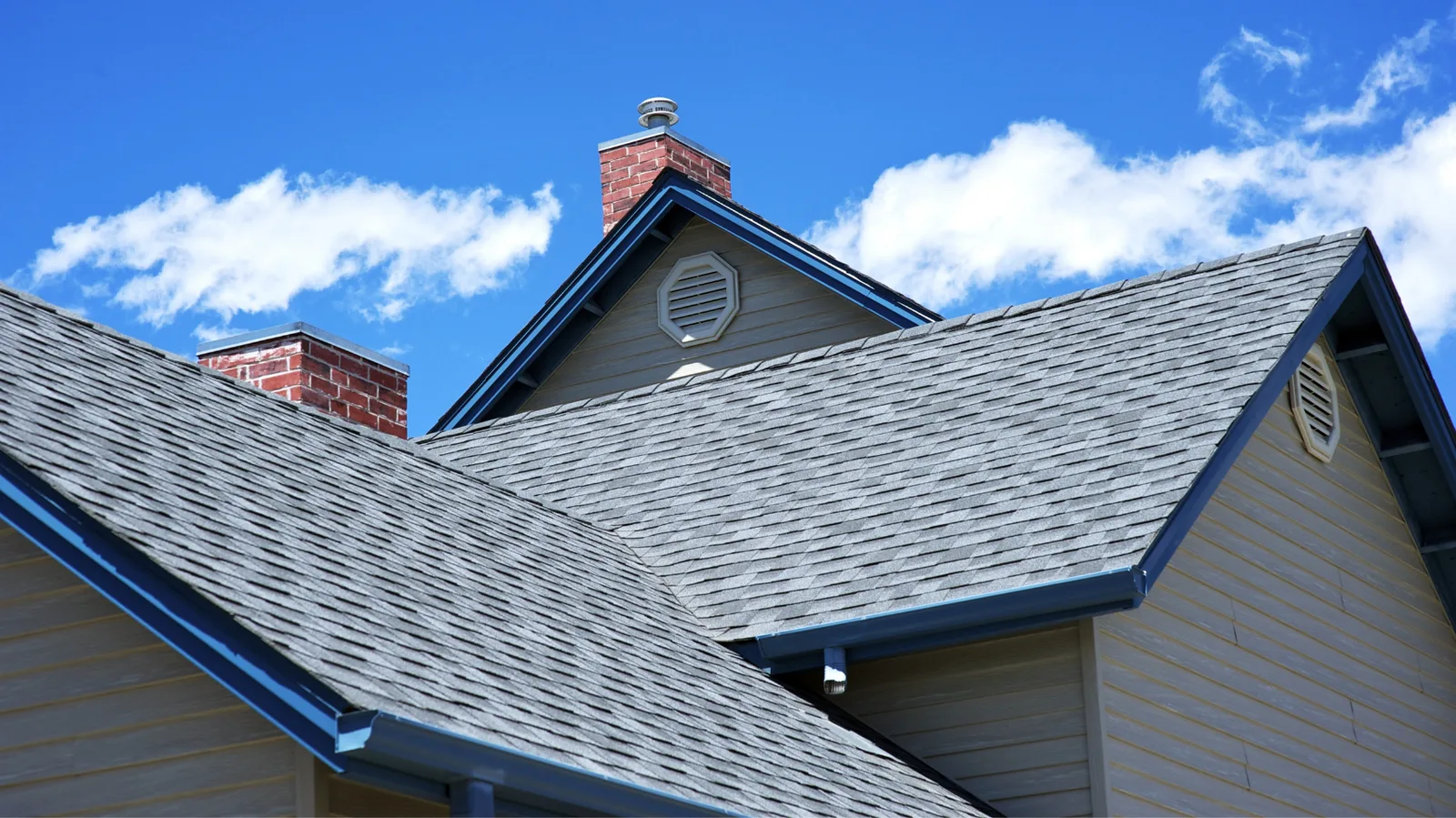
Architectural asphalt has a layered profile; three-tab shingles have a flatter repeated pattern. Product-specific fastening, exposure, starter and cap details matter. Impact-tested options still have limits under real storms.
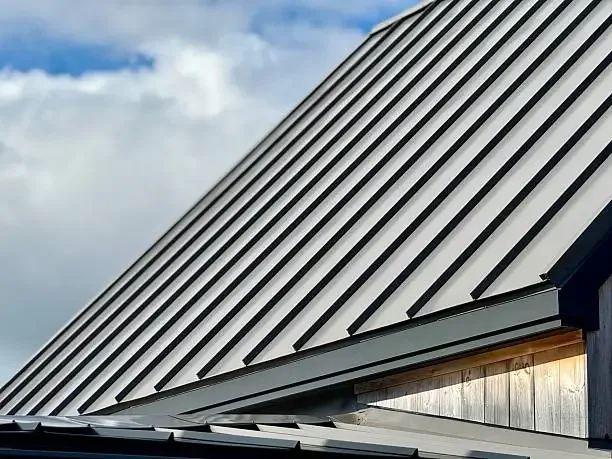
Metal changes the attachment and flashing design. Seams and fasteners accommodate expansion, and openings need compatible details. The selected system and substrate determine the installation rather than a shingle method carried across unchanged.
Measured roof area, removal, access and detailed flashing explain why roofs with similar floor plans can need different budgets.
Known work and concealed work
The base work
Covering, planned removal, underlayment, flashing and disposal belong in the scope. Steeper slopes, restricted access and roof openings change labour and handling.
What tear-off reveals
Hidden damaged wood cannot always be measured until the old covering is open. Additional work needs a clear scope and price discussion before it proceeds.
Permit and inspection stages
The city's published roof checklist identifies mid-phase review of decking and ice-water shield, followed by a final inspection. The issued permit and any corrective instructions govern the actual project.
The stages keep the base and roof details in view before the new covering conceals them.
01
Inspect and define the assembly
The roof condition, covering choice, removal and access establish the planned work. The property address and applicable permit requirements belong in that plan.
02
Remove and address the deck
Tear-off exposes the deck. Concealed damaged wood needs attention and a scope discussion. Roeland Park lists mid-phase roof review of decking and ice-water shield; work follows the issued permit and inspection directions.
03
Complete the connected roof
Flashing, underlayment, covering and finishing details form the new assembly. The published city checklist also lists a final roof inspection. Product and project requirements govern the actual work.
Roeland Park's later residential Ordinance 1091 specifies removing existing roof-covering layers to the deck for new coverings, with its stated adhered ice-barrier provision. The permit guide links the current city material; the applicable permit and system requirements control the work.
Is the roof surface the same as house square footage?
No. Slopes, overhangs and attached roof sections affect measured surface area. A floor-area number does not establish the material quantity or a project price.
Can an impact rating prevent all hail damage?
No. It describes a defined laboratory test. The installed covering and the other roof components can still be damaged.
Roeland Park Roofing Co
Talk With Us About Your Roof Replacement
Tell us where the property is and what needs attention. Call (913) 270-1748 or request a free inspection. We can start with what you have noticed and work through the options from there.