
Concealed fastening
Standing-seam systems can keep attachment beneath raised seams. Clips and panel details accommodate movement according to the selected system; not every standing-seam profile is suitable for every slope.
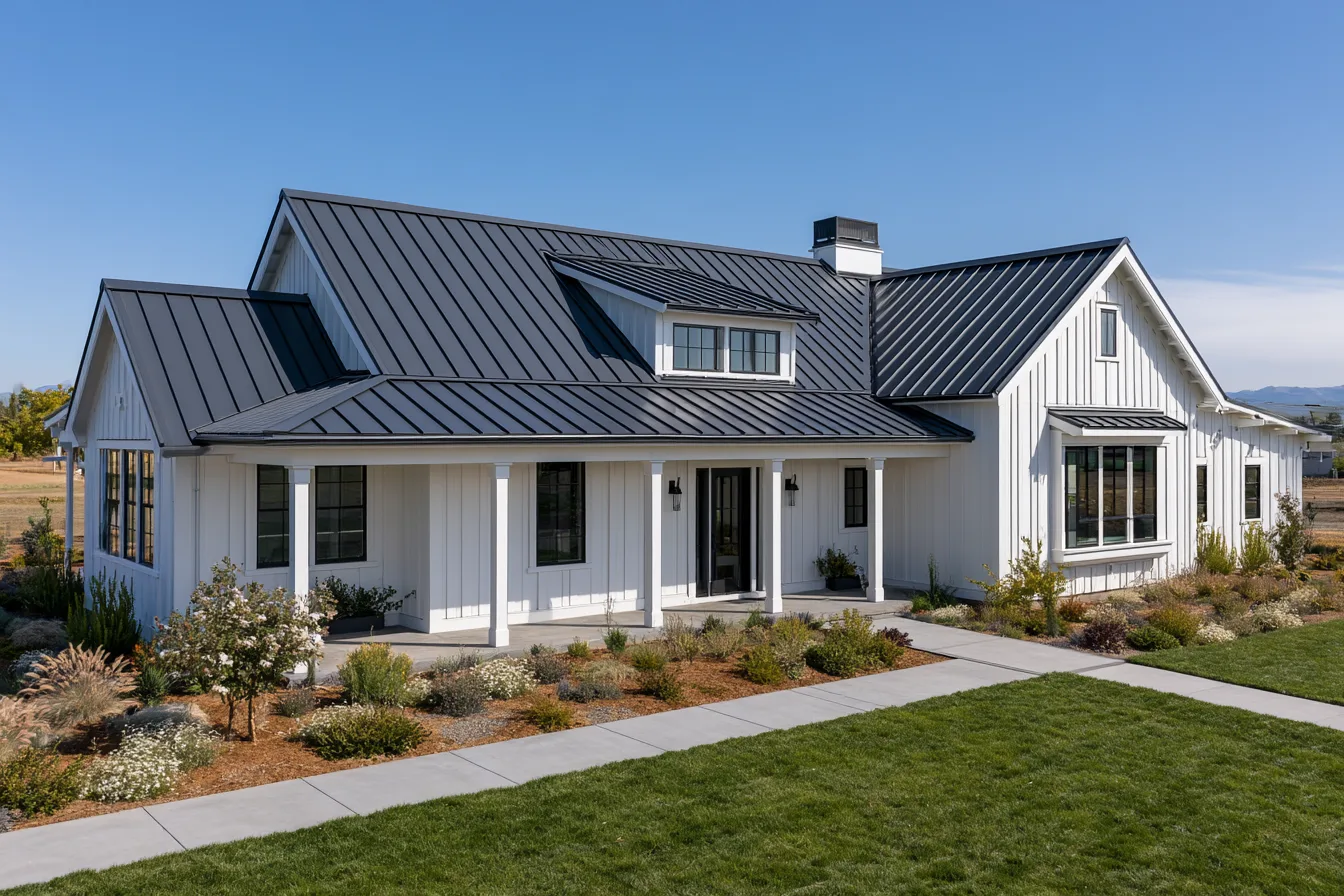
Roeland Park, KS
Metal roofing changes the appearance of a property and the way its seams, attachments and openings are built. Discuss a repair or replacement with the actual roof in view.
Free roof inspections. Repair and replacement options explained.
A metal roof is more than a different covering in place of shingles. Panel length, slope, attachment and the way the metal moves with temperature affect the details. Openings need compatible flashing, and the base beneath must support the chosen assembly. We discuss the roof’s shape, existing material and the intended appearance together.
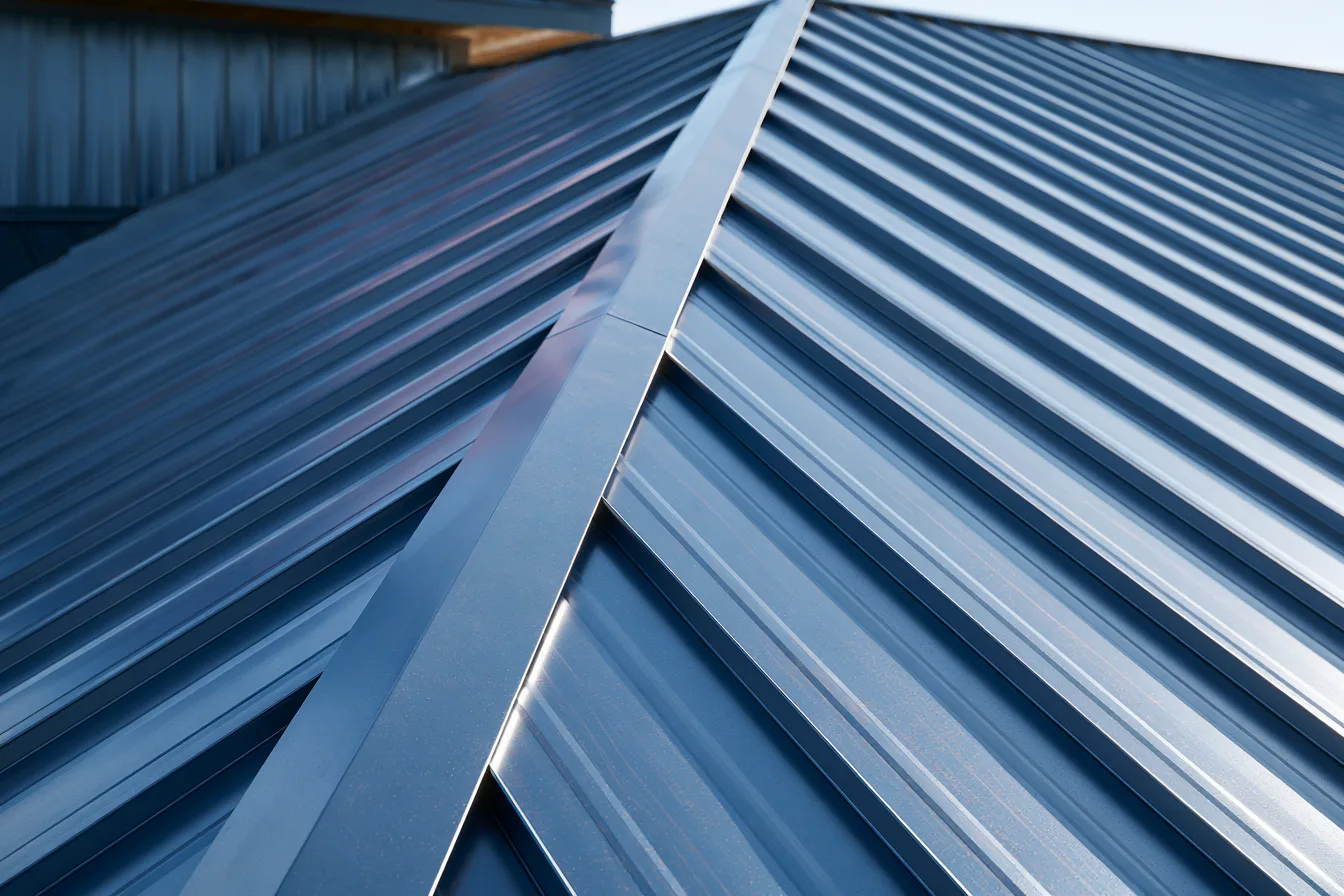
The fastening design changes both the surface and its maintenance points.
Standing-seam systems can keep attachment beneath raised seams. Clips and panel details accommodate movement according to the selected system; not every standing-seam profile is suitable for every slope.
Some panels use visible fasteners with sealing components. Their attachment and seals form part of the water-shedding assembly and need the correct placement and compatible materials.
Panel and metal-tile profiles create different looks. Finish, color and detail geometry affect appearance; small samples and screen images do not reproduce every light condition.
The work needs to address the cause without creating incompatible patches.
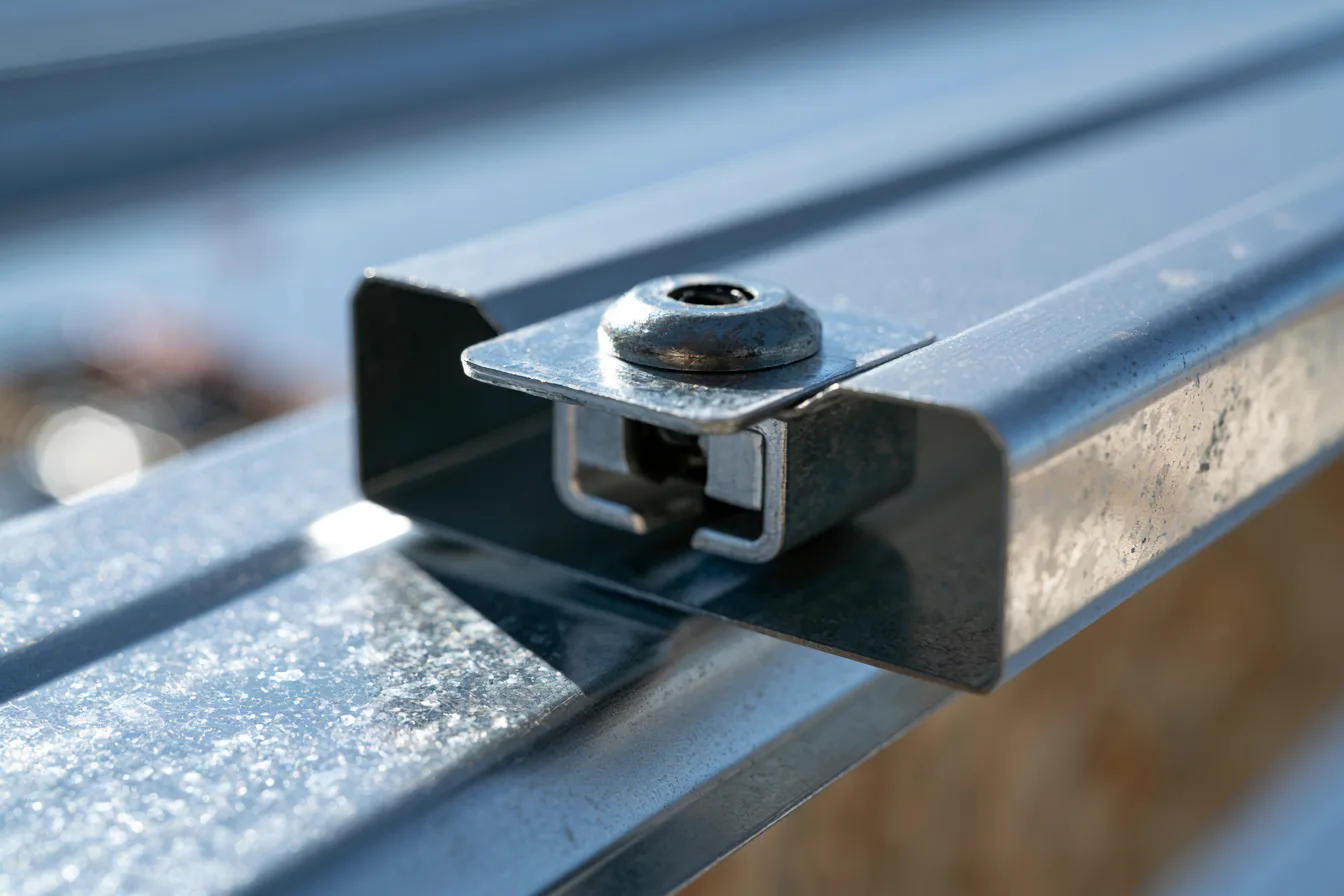
A leak at a vent or seam needs the specific system detail checked. A patch has to remain compatible and accommodate movement, rather than bridging it with rigid material.
Existing covering, deck condition and attachment support determine the base work. Hidden deterioration can change the scope after removal exposes the layers beneath.
Underlayment, flashing, condensation control and ventilation depend on the design. Roof area, access, openings and the actual metal system determine cost; the asphalt calculator does not price metal.
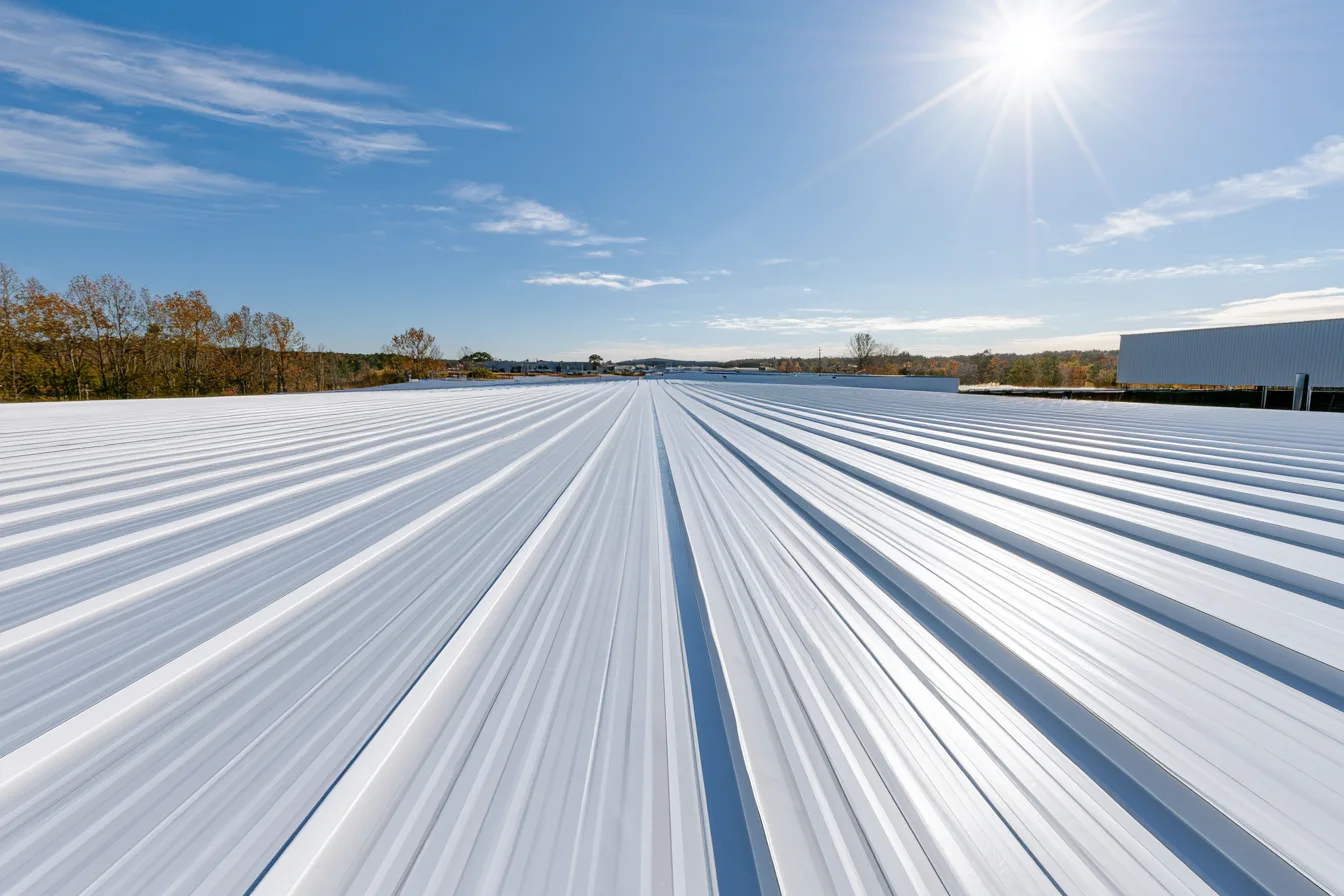
Roeland Park Roofing Co
Tell us where the property is and what needs attention. Call (913) 270-1748 or request a free inspection. We can start with what you have noticed and work through the options from there.
(913) 270-1748