
Water at the eave
Overflow, a failed joint or water behind the gutter needs the edge and drainage checked.
Roeland Park, KS
Runoff needs a clear route from the roof edge to the downspout. Tell us about overflowing, sagging or leaking gutters and we can discuss the roof-edge work involved.
Free roof inspections. Repair and replacement options explained.
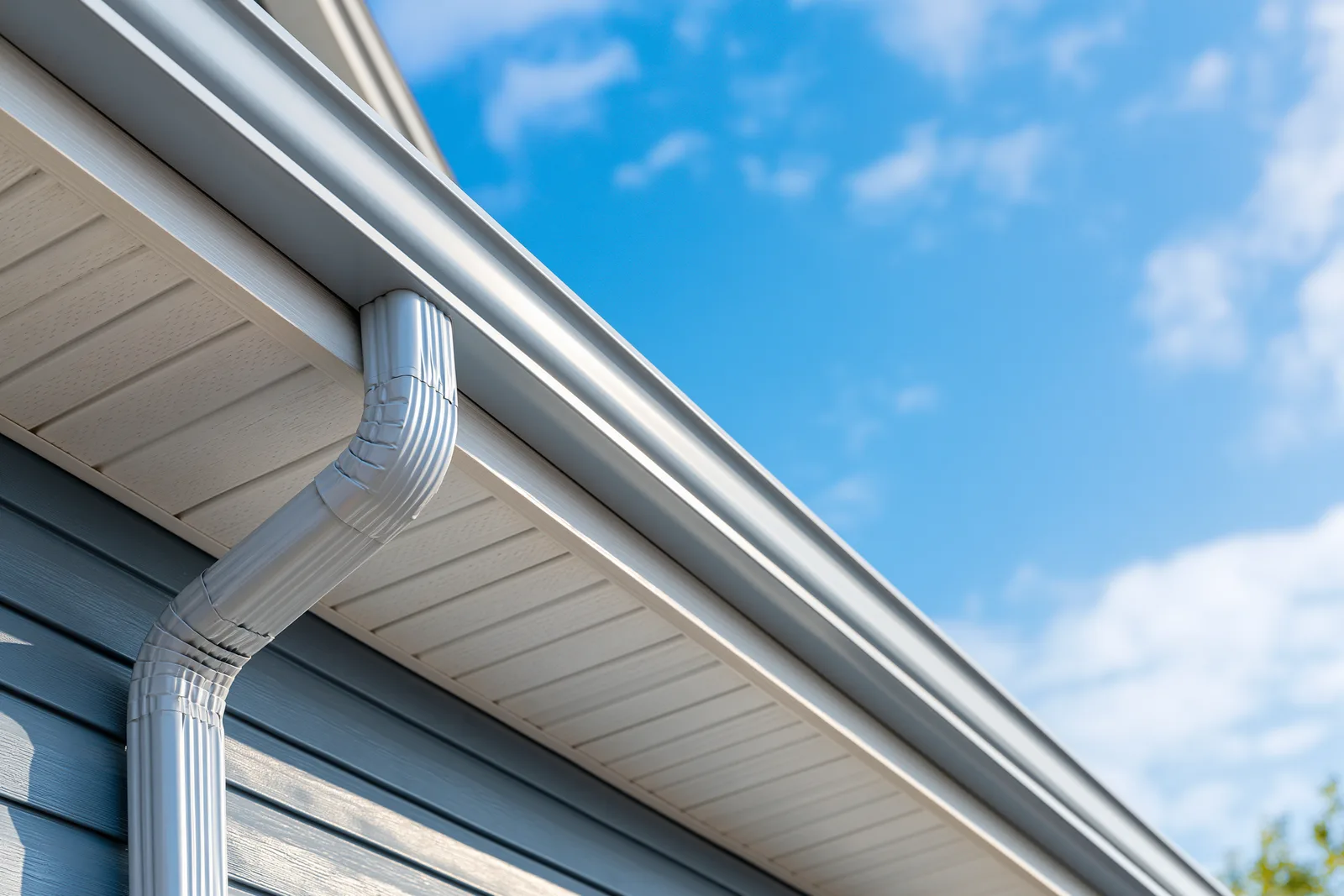
Gutters collect runoff once it reaches the eave. A loose joint, a sagging run or an obstructed outlet can spill water where it was meant to be carried away. The cause matters: increasing gutter size does not repair a broken attachment, and sealing a joint does not correct a run that drains the wrong way. We look at the gutter, roof edge and the support behind it together.
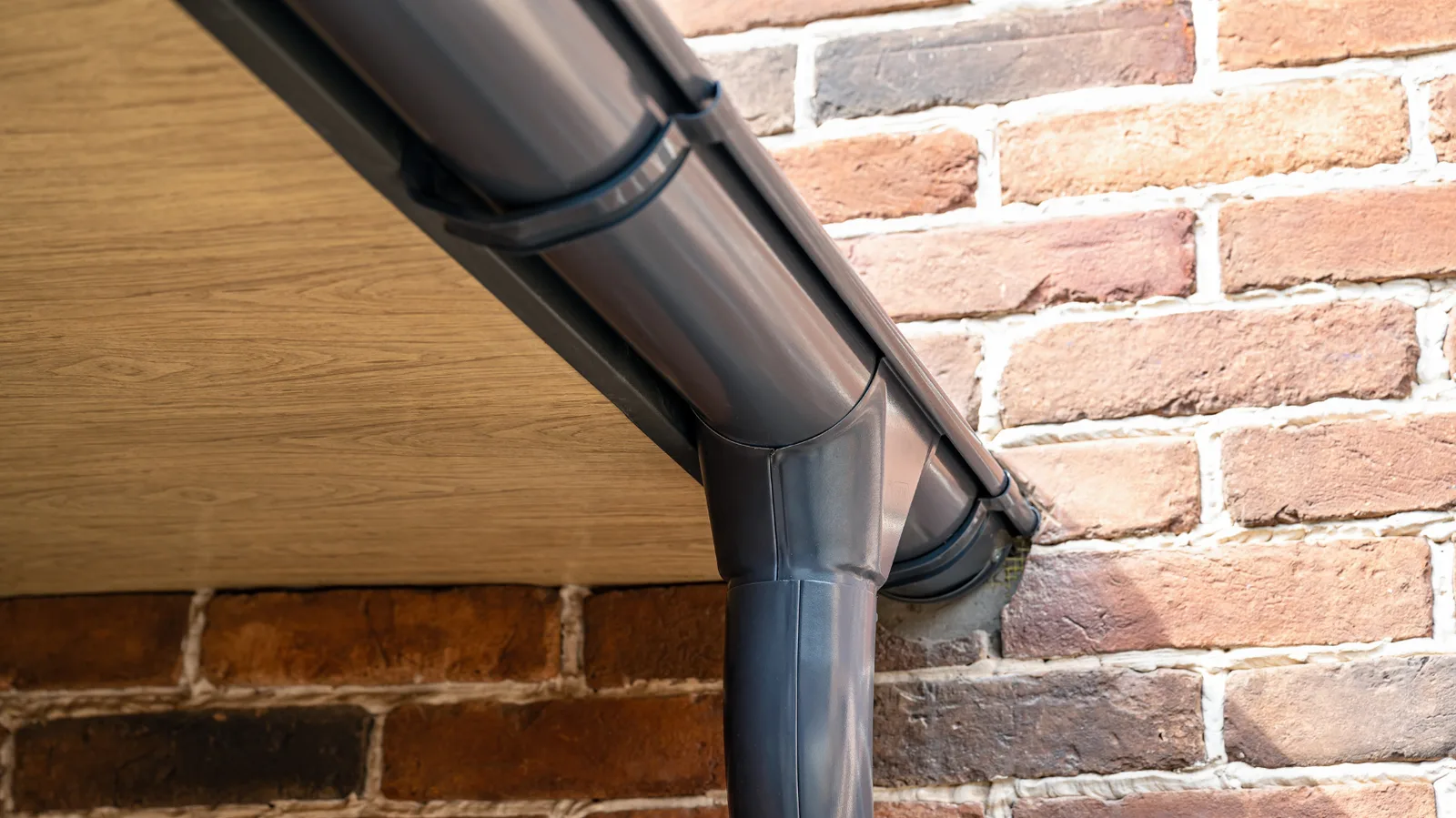
Each part affects where runoff goes.
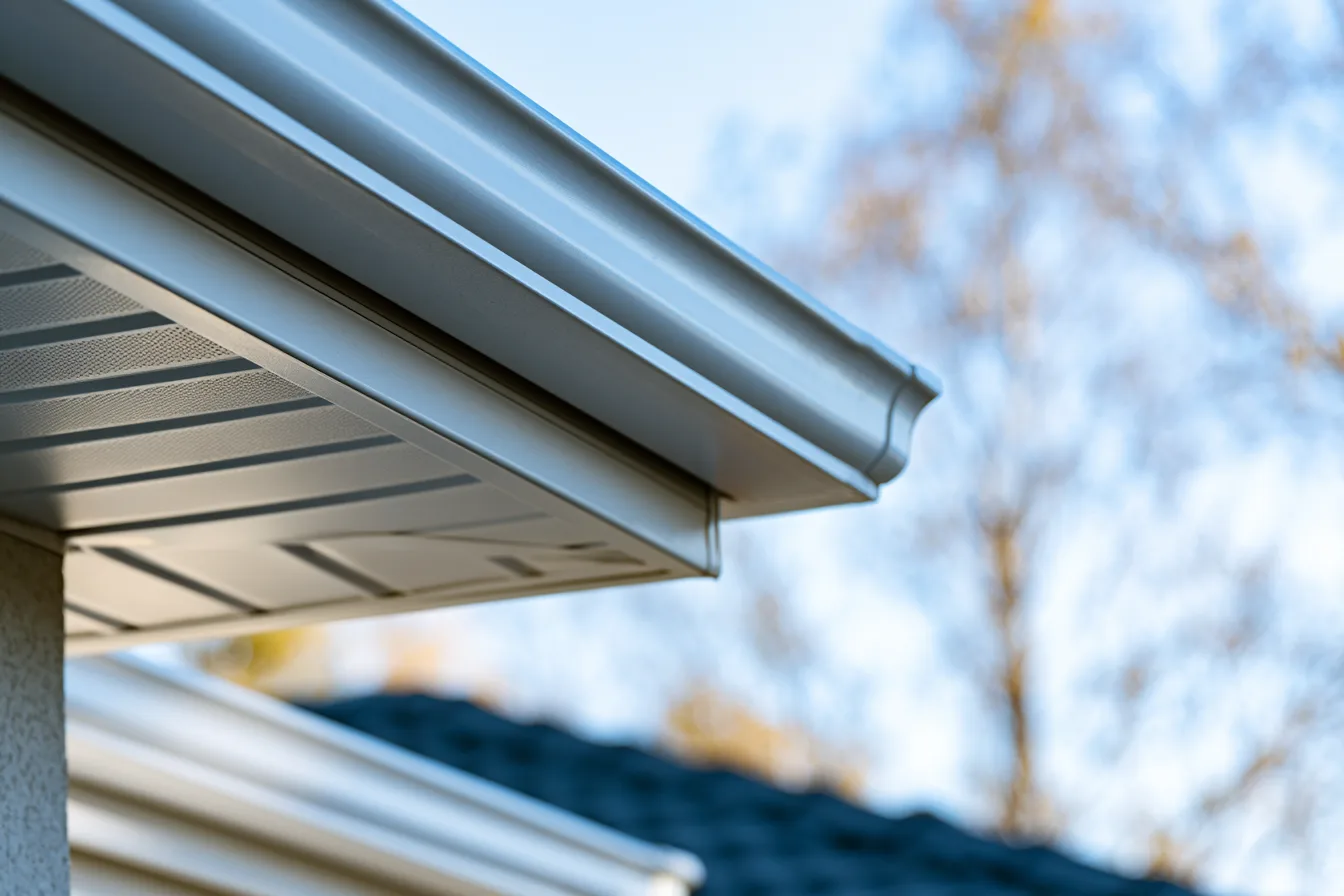
Loose hangers need sound support. Deteriorated fascia behind the gutter changes the work because another fastener in weak wood does not provide a sound connection.
Leaking joints need compatible repair, while debris and obstructions need a clear path to the downspout. Outlet location and roof runoff affect how the system handles water.
Drip-edge and gutter relationships need to direct water into the gutter. Downspout discharge also needs a suitable route away from vulnerable areas; gutter work does not resolve every below-grade drainage issue.
Where water appears helps start the discussion, but it does not settle the source.
Overflow, a failed joint or water behind the gutter needs the edge and drainage checked.
Water entering around a vent, wall or roof opening can travel before appearing indoors. A gutter repair does not close those openings.
Height, access, gutter condition, length, corners, outlets and hidden fascia damage determine the work. A roof-surface cost model is not a gutter price.
Roeland Park Roofing Co
Tell us where the property is and what needs attention. Call (913) 270-1748 or request a free inspection. We can start with what you have noticed and work through the options from there.
(913) 270-1748